Op. Dr. Bora Yücel

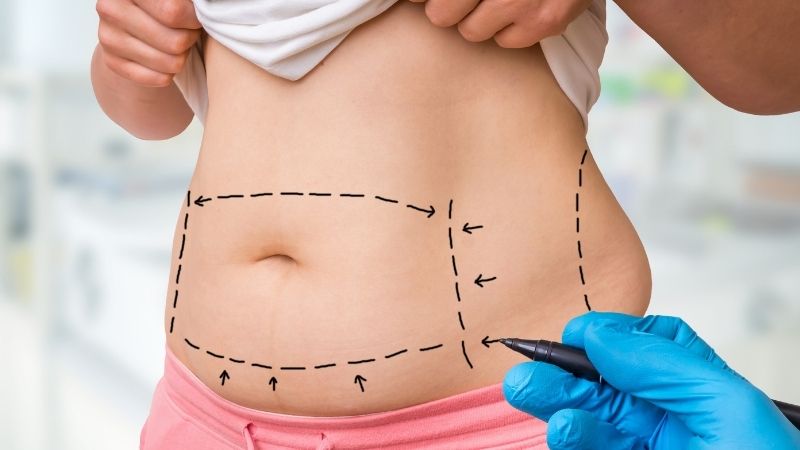
Liposuction is a cosmetic procedure that removes stubborn fat from the stomach area using thin cannulas and a vacuum technique. Liposuction is not a weight loss method but a body contouring procedure designed to reshape the abdomen. Initial results are usually visible within 1–2 weeks, resulting in a flatter and more defined abdominal contour. When performed by an experienced specialist, liposuction leaves minimal scars that fade over time.
Is it safe to have liposuction in Turkey?
One of the most frequently asked questions by patients considering body contouring procedures abroad is, “Is it safe to have liposuction in Turkey?” In Turkey, liposuction is safe when performed by qualified and experienced surgeons in a properly supervised medical setting. However, safety depends on certain critical factors.
Turkey has become a global hub for aesthetic surgery, including liposuction, thanks to its modern clinics, plastic surgeons trained internationally, and competitive prices and quality standards when compared to countries such as the UK, Germany and the United States. Many clinics in cities such as Istanbul, Antalya and Ankara operate under the supervision of the Turkish Ministry of Health, and numerous clinics are accredited by international healthcare organisations. These factors reinforce the country’s strong reputation in the field of medical tourism.
Choosing the right clinic and surgeon is important for safe liposuction in Turkey. Plastic surgeons usually follow surgical protocols that meet international standards. These include medical evaluations before surgery, safety standards for anaesthesia, and care after surgery. After surgery, patients are closely watched, which greatly lowers the chance of problems like infection, too much bleeding, or uneven fat removal.
It would be wrong to say that all clinics in Turkey follow the same rules, though. The rapid growth of medical tourism has made the market very competitive. As a result, clinics are now offering very cheap packages, but it's not clear how reliable they are. Because of this, it is very important to do a lot of research before choosing a clinic. Patients should check the surgeon's credentials, look at the results before and after surgery, read patient reviews, and make sure the procedure is done in a fully equipped clinic.
Another important thing is choosing the right patients and managing their expectations. Liposuction is not a way to lose weight; it is a way to shape the body by getting rid of fat in certain areas. The patient must be in good health, have realistic expectations, and carefully follow all pre- and post-operative instructions for the best results.
To sum up, liposuction in Turkey can be safe and work well if it is done by experienced plastic surgeons in accredited medical facilities. The country has great cosmetic surgery clinics, but safety depends on more than just where the clinic is located. It also depends on how well the surgeon knows what they're doing and how well the medical standards are followed.
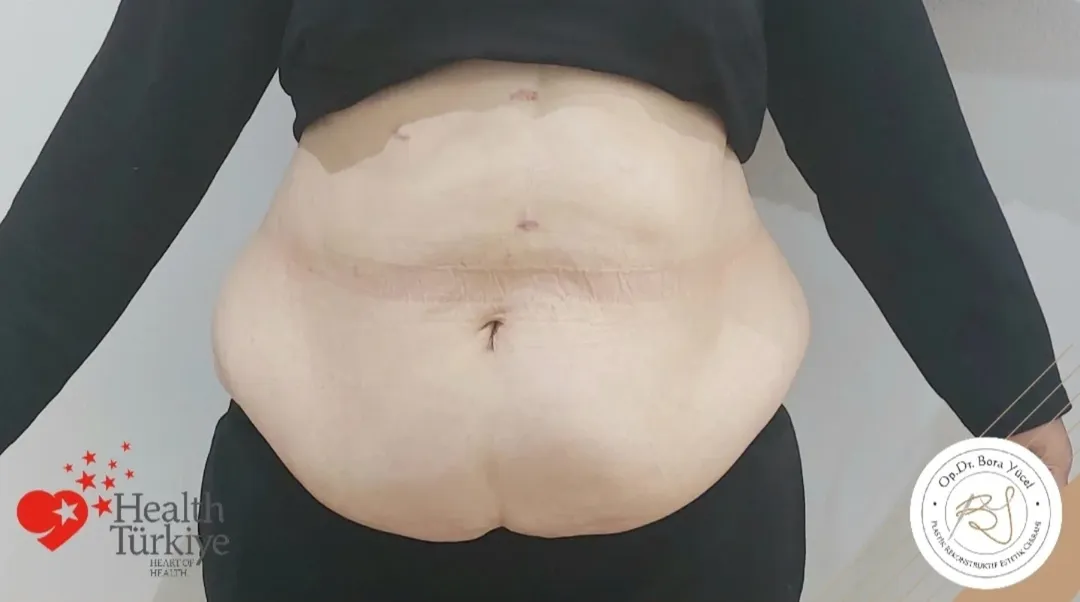
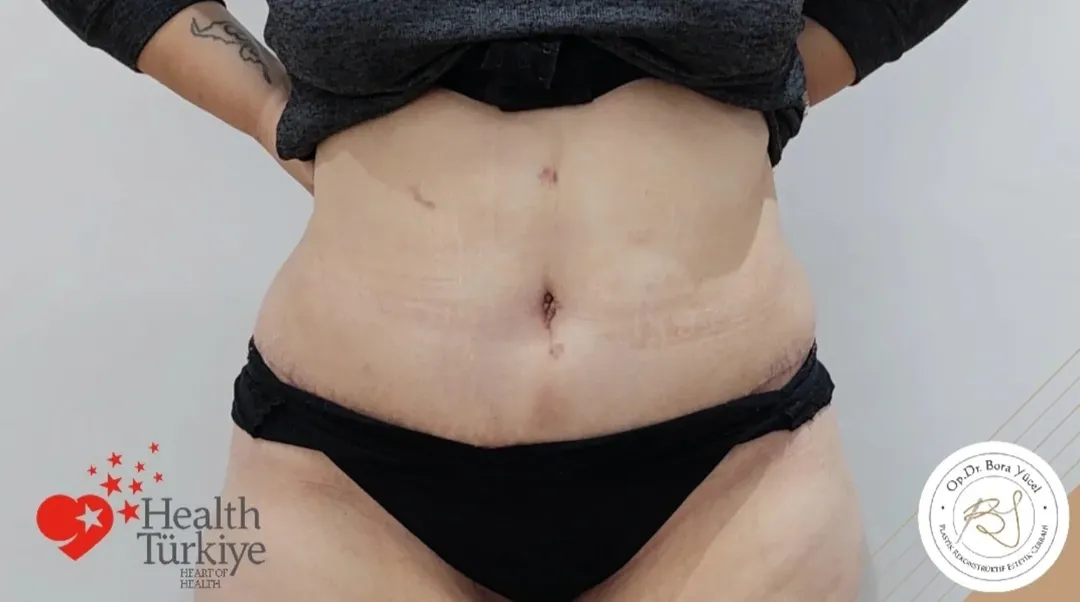
Liposuction before and after in Turkey, Antalya
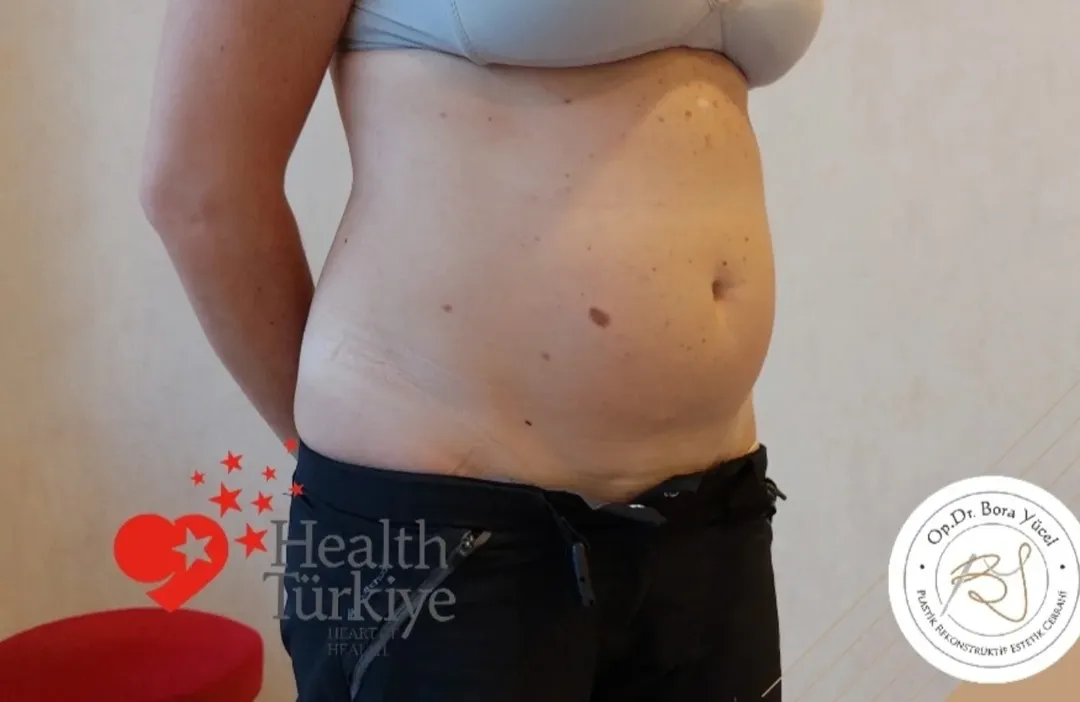
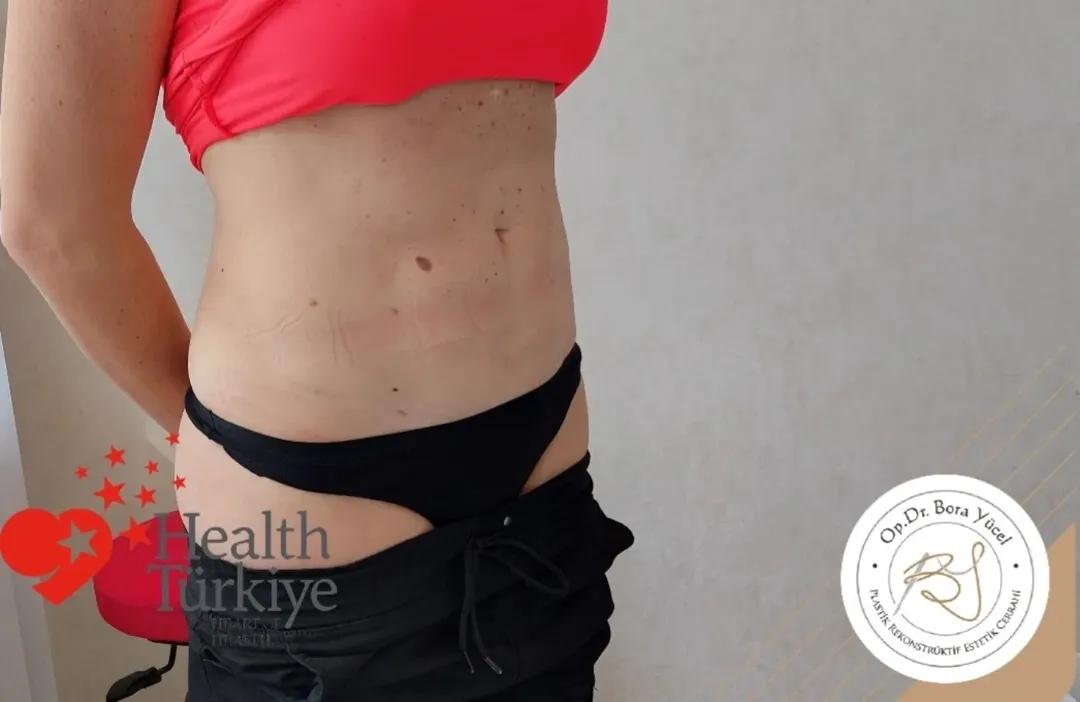
How is liposuction performed?
Liposuction surgery is performed through 2–3 mm micro-incisions made in pre-marked areas. Thin cannulas are inserted to break down and suction out excess fat from the abdomen.
Depending on the treatment area and the patient’s overall health, local or general anesthesia may be used.
Various techniques may be applied, including traditional vacuum liposuction, VASER (ultrasonic liposuction), laser lipolysis, or water-assisted liposuction (WAL).
Swelling and bruising usually subside within 1–2 weeks. Heavy physical activities should be avoided for 2–4 weeks, while light walking is recommended to speed up recovery.
Patients are required to wear a compression garment for at least 6–8 weeks after the procedure.
Is liposuction permanent?
Since fat cells are permanently removed from the body, the results of liposuction are long-lasting. However, weight gain after the procedure may cause new fat accumulation. Maintaining an ideal weight is essential for preserving results.
Liposuction procedure step by step
- Preparation and anesthesia: Target areas are marked before surgery. Local or general anesthesia is chosen based on the treatment scope and patient health.
- Micro-incisions: Small 2–3 mm incisions are made for cannula insertion.
- Fat breakdown and removal: Fat is broken down and removed using cannulas and a vacuum device. VASER liposuction or laser techniques may also help tighten the skin.
- Sutures and compression garment: Incisions are closed with sutures, and a compression garment is applied to support healing.
- Recovery process: Mild swelling, bruising, and discomfort are normal in the first days. After liposuction, wearing a compression garment for about 2 months is recommended.
Who is a good candidate for liposuction?
Ideal candidates for liposuction are individuals in good overall health, close to their ideal weight, and struggling with stubborn abdominal fat despite diet and exercise. Good skin elasticity is also important for optimal results.
It is important to note that liposuction is not a weight loss treatment but a contouring procedure. It is not suitable for treating obesity.
Risks of liposuction
Common side effects include swelling, bruising, mild pain, and temporary numbness. These typically resolve within a week.
Less common risks include infection, scarring, skin irregularities, and asymmetry.
Serious risks may occur if excessive fat (more than 5% of body weight) is removed or if the procedure is performed by an inexperienced practitioner. These risks include fat embolism, fluid imbalance, and cardiovascular complications.
Who should avoid liposuction?
Individuals with chronic illnesses, poor general health, or advanced age may not be suitable candidates for liposuction surgery.
How long does liposuction take?
Liposuction typically takes between 1–3 hours. Patients are usually discharged on the same day or the following day.
Can liposuction be combined with other procedures?
Yes, liposuction is often combined with other cosmetic procedures, especially tummy tuck (abdominoplasty), for more comprehensive results.
What should I do if I have a large belly?
If diet and exercise are not enough to reduce abdominal fat, this may affect self-confidence. A healthy diet, avoiding processed foods and sugar, and focusing on protein and fiber intake are essential.
Regular cardio and walking help burn fat, while exercises like planks and crunches strengthen abdominal muscles.
If the abdomen is significantly large and the patient is suitable for surgery, liposuction can be an effective solution.
Why do I have belly fat even if I’m not overweight?
This is usually due to a high body fat percentage. Even individuals at a normal weight may store fat in specific areas, especially around the abdomen and waist.
Can cannulas damage internal organs during liposuction?
During liposuction surgery, very thin cannulas are used. When performed by experienced surgeons, the risk of damage to internal organs or nerves is extremely low. Incisions are small and typically become barely visible over time.
This text is provided for informational purposes only. You should follow your doctor’s advice. For further information, please contact Op Dr. Bora Yücel.
Please contact us for more information.