Op. Dr. Bora Yücel

Abdominoplasty in Turkey, Antalya, is one of the most popular procedures among patients coming from abroad. After procedures such as mummy makeover aesthetics, mini abdominoplasty, and full abdominoplasty, patients achieve the flat stomach they desire.

Is Tummy Tuck high risk procedure?
The duration of a tummy tuck operation is not very long. The duration depends on factors such as the surgeon's experience, the technique used, and the patient's post-operative care. Although a tummy tuck is one of the major operations performed by plastic surgeons, it cannot be said to be high-risk when performed by a specialist surgeon.
Excessive weight gain and loss or significant weight loss after childbirth can cause sagging of the abdominal skin and changes in the navel. Abdominoplasty brings the navel to its ideal height. The abdominal muscles are tightened, and excess skin and fat in the abdomen are removed. The aim is for the patient to have a flat stomach.
The patient's pain threshold and the care they take in post-operative care determine the difficulty of the recovery process.
How difficult is getting a tummy tuck?
Abdominoplasty is a comprehensive aesthetic procedure that requires technical expertise. However, this expertise alone does not imply that the procedure is difficult. The main factors affecting the difficulty of abdominoplasty are as follows:
- Duration of surgery
- Scope of surgical intervention
- Recovery process
Abdominoplasty surgery duration
A full tummy tuck takes 2-3 hours, while a mini tummy tuck takes 1-1.5 hours.
Scope of surgical intervention
During a tummy tuck, excess skin is removed, fat tissue may be cleaned, abdominal muscles may be tightened, and the navel may be reshaped, depending on the patient's deformity. Therefore, the procedure is more extensive than some other cosmetic surgeries.
Recovery process after abdominoplasty
There may be individual differences in the recovery process after abdominoplasty. In addition, the recovery process generally progresses as follows:
- The patient begins walking 4 hours after surgery.
- Drains are removed 3-7 days after abdominoplasty.
- The first 3-5 days after abdominoplasty surgery can be challenging. Many patients describe this situation experienced in the early days as ‘mild discomfort’.
- It is expected that at least one week will pass before returning to daily activities after the surgery.
- Recovery is largely complete 4-6 weeks after abdominoplasty, and the swelling subsides.
- It may take several months for the results of the surgery to settle and for the scars to fade.
The difficulty associated with tummy tuck surgery is more related to the patient's compliance or non-compliance with the doctor's recommendations during the recovery process.
Abdominoplasty, performed by experienced aesthetic and plastic surgery specialists using modern techniques, is comprehensive but not difficult.
The difficulty lies more in the care rules that must be followed during the recovery period.
Suitable candidates for abdominoplasty have a high surgical success rate. After surgery, the patient's quality of life significantly improves.
Things to consider after Tummy Tuck Surgery
After abdominoplasty, consider the following:
- Heavy lifting should be avoided for the first few weeks.
- A postoperative corset should be worn for the duration recommended by the surgeon.
- Smoking and alcohol consumption should be avoided after surgery.
- Plenty of water should be drunk and light walks undertaken to aid the reduction of swelling.
- The plastic surgeon's recommendations should be followed strictly.
What makes difficult for getting a tummy tuck surgery?
- Patients requiring excessive skin removal from the abdominal area,
- Individuals with advanced separation of the abdominal muscles,
- Patients who continue to smoke before and after surgery,
- Abdominoplasty may be challenging for individuals with a high body mass index.
Is tummy tuck surgery safe?
Tummy tuck surgery performed by experienced plastic surgeons is a safe procedure. The results of abdominoplasty are effective and long-lasting. Weight control is of great importance for the patient after the surgery.
Who is a good candidate for a tummy tuck?
Surgery is suitable for individuals with excess skin and fat in the abdominal area, laxity in the abdominal muscles, and a need for tightening.
- Individuals who experience sagging in the abdominal area after childbirth,
- Those who wish to eliminate excess skin in the abdominal area due to significant weight fluctuations,
- Individuals experiencing diastasis recti (separation of the abdominal muscles),
- And those dissatisfied with the aesthetic appearance of their abdomen.
Tummy Tuck Surgery in Turkey, Antalya
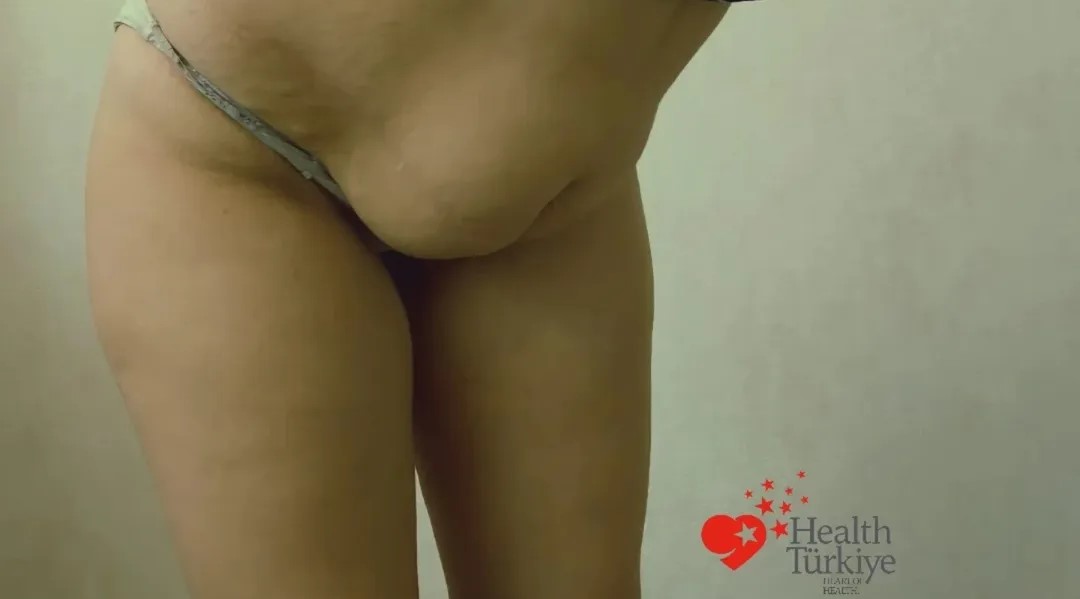
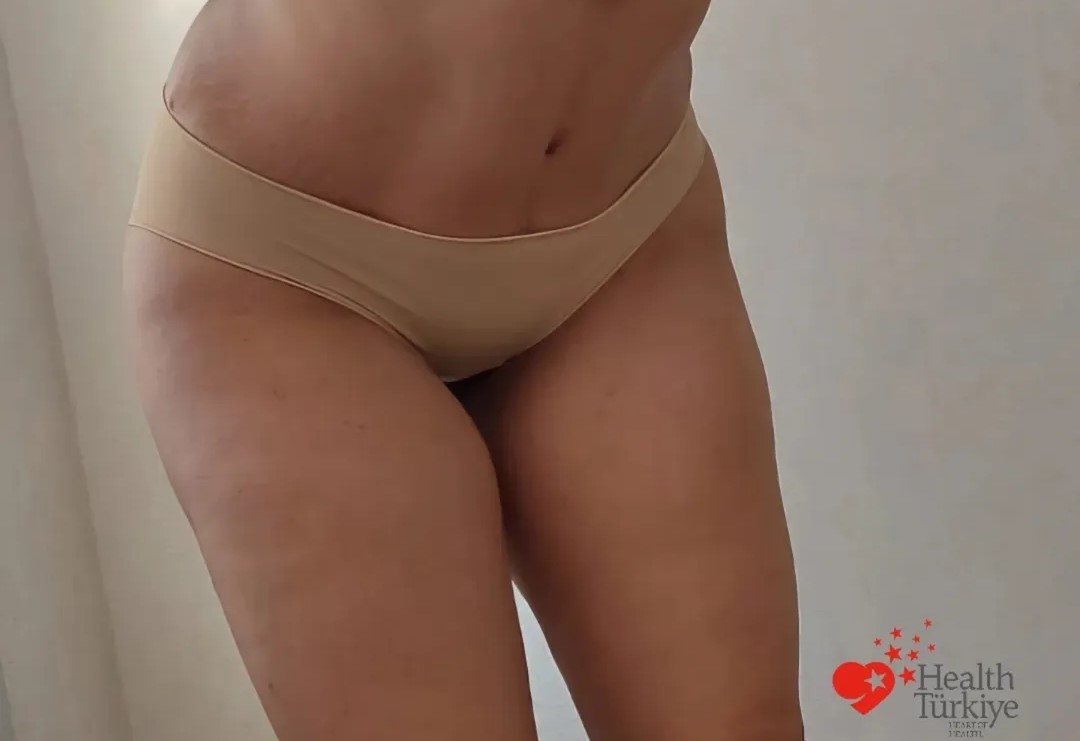
A tummy tuck is a surgical procedure that removes excess fat and skin from the abdominal area and tightens the abdominal muscles, resulting in a flatter and more aesthetically pleasing abdominal appearance. Postoperative pain is minimal and responds to painkillers. Patients can begin walking from the 4th hour after surgery.
The outcome of any surgical or medical procedure can vary from person to person. We recommend discussing the possible outcomes of the surgery or procedure in detail with your surgeon beforehand.
What to Expect During the Abdominoplasty Recovery Process?
Abdominoplasty can make major changes to the shape of your stomach. The recovery period, when your body heals and the results start to show, is just as important as the surgery itself. Here is the recovery process, from the first day after surgery to the long-term healing process.
Right After Surgery (Days 0-2)
After your procedure, you will be watched as the anaesthesia wears off. Most patients feel:
- Swelling and bruising all over the abdomen
- Tightness or pressure from muscle repair
- Drainage tubes (in many cases) to keep fluid from building up
- A compression garment to support tissues and reduce swelling
Pain is normal, but the medications your doctor gives you should help. You will be told to walk short distances the same day or the next day to help blood flow and lower the risk of blood clots. At first, it's normal to walk slowly and with your waist bent.
The First Week (Days 3-7)
This is usually the hardest part. The swelling and pain get worse before they get better. The drains are usually taken out within the first week (depending on how much they are draining). You will continue to wear your compression garment 24/7. Light walking is encouraged, but no lifting or hard work.
Many patients need help with everyday tasks during this time. Rest, drink plenty of water, and move slowly – these are important.
Weeks 2-4 (The Early Healing Stage)
Most patients feel a lot better by the second week. Pain goes down a lot. You can usually stand up straight again. After 10 to 14 days, a lot of people go back to "desk work". Bruises fade and swelling goes down slowly.
You still need to stay away from heavy lifting, hard exercise and twisting or stretching quickly.
Your surgeon might let you switch to lighter compression or wear it for less time.
Months 1-3 (Getting Back to Normal Activities)
This is a big turning point in this phase. The swelling keeps going down (though some mild swelling may stay). The scars start to heal and get softer. Light exercise is often slowly brought back. The core strength slowly gets better.
As inflammation goes down, results become clearer, but you need to be patient because it takes time for the final shape to show.
Long-Term Recovery (3-12 Months)
It takes a long time to fully recover from an abdominoplasty. Scars change from red to lighter colours. Numbness or tightness continues to get better. The final results settle as the tissues heal completely.
Most patients see their real, long-term results in 6 to 12 months, especially if they keep a healthy weight and lifestyle.
When to Call Your Surgeon
If you see any of the following, get in touch right away:
More redness, warmth, or fever; sudden swelling or severe pain; unusual drainage or smell from the incision; shortness of breath; or chest pain (urgent).
Please contact us for more information.